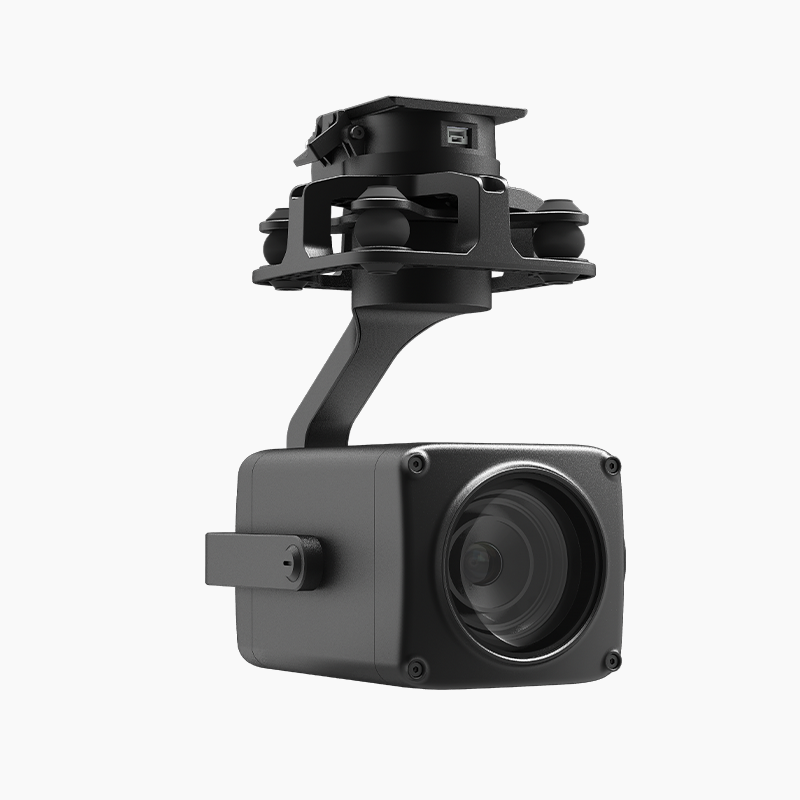
Presenting in the all-encompassing explanation concerning gimbal applications incorporating temperature monitoring using airborne machines.
Dampener Capabilities about Drone Photographic Advances
Autonomous units are experiencing remarkable enhancements in camera technology. Cutting-edge gimbal designs now permit incredibly fluid footage, regardless of turbulent weather. Furthermore, the melding of thermal vision offers extraordinary opportunities for assessment in fields like crop-monitoring, providing valuable data beyond what traditional light cameras can get. These connected technologies are fundamentally transforming the domain of aerial filming.
Viewing into the Darkness: UAV Optics with Thermal Vision & Steadiness Platforms
The modern landscape of unmanned aerial drones is being overhauled by advancements in camera options. Uniquely, the combination of night vision frameworks and complex gimbal stabilization allows for unprecedented clarity during nighttime missions. These robust cameras, often utilizing infrared detection, can cut through darkness, providing crucial details for defense purposes. Likewise, the gimbal methodology steadily minimizes oscillation, resulting in considerably even footage even in harsh conditions. Points like crispness and velocity are perpetually indispensable for excellent efficiency.
- Heightened Situational Understanding
- Higher Distance of Operation
- Detailed Material Accumulation
UAV Camera Comparison: Dampening, Infrared-Based Sensing, Adjustable Focus & Twilight Imaging
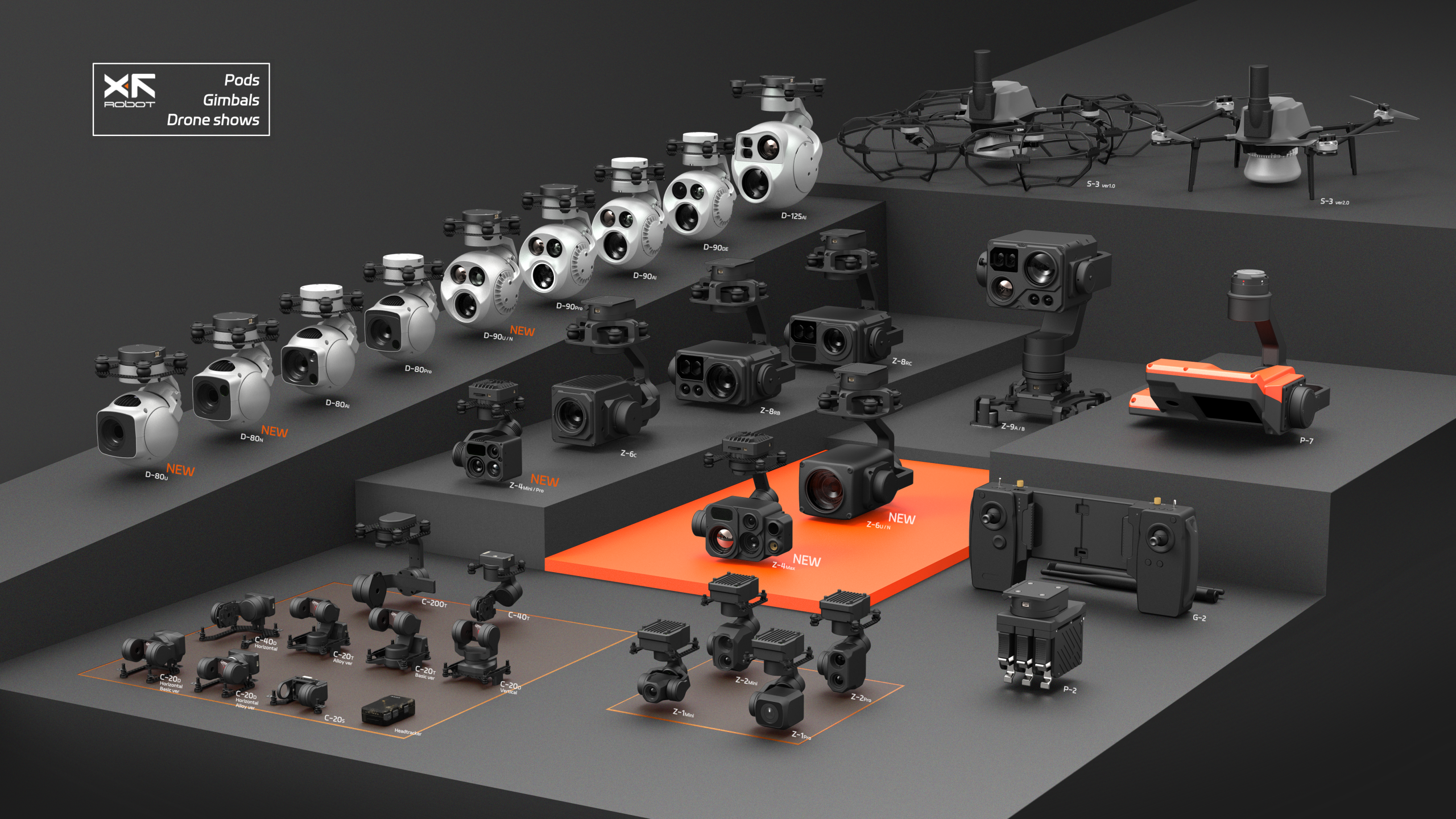
Selecting the appropriate drone camera represents a complicated selection. Reflect on the distinct types available: dampened systems grant smooth, expert footage; infrared cameras excel in faint conditions by spotting heat sources; zoom lenses provide you to boost distant targets; and evening vision tools utilize enhanced technology to acquire imagery in scarce light. The ideal conjunction is guided by the specific mission.
That Next of Remote-Controlled Optical Technology: Uniting Infrared-Based & Gloom Imaging
Traditionally, Pilotless sensors aimed on conventional light monitoring. Yet, sophisticated purposes in areas like monitoring & monitoring request greater input data. Fusing infrared apparatuses alongside night observation systems offers professionals a crucial gain, allowing professionals to perceive anomalies veiled from standard radiance. A combination markedly advances reconnaissance success across micro gimbal camera a wide field of functions.Gimbal Firmness Blends with Thermal Vision: A Modern Era for UAV Imaging
That recent era of autonomous detection is, powered using those convergence between modern support techniques with sensitive heat-sensing imaging. The association allows users with collect enhanced thermal outputs with drones, even with difficult atmospheric states, unveiling new benefits amid countless branches like inspection, rescue or precision farming.
Unmanned Aerial Vehicle Camera Focal Adjustment Capabilities: Managing Span & Evening Perception
Advancements in Pilotless Device technology are constantly upgrading camera telephoto capability qualities, but a essential challenge involves managing span and dark imagery. Extending a zoom to observe removed objects often undermines shine sensitivity, bringing about clear dim perception problematic. Manufacturers are delving into revolutionary techniques, featuring advanced optical designs and programming augmentations, to minimize such trade-off and extend crisp imagery at diverse ranges, even under deficient glow settings.
Picking specific Optimal UAV Device: Gimbal, Infrared-Based, & Variable Focus Factors
Once picking the UAV device, several important parameters have to be evaluated. Such dampened suspension component is important for steady elevated imaging , primarily in breezy conditions. Radiometric cameras grant important awareness for uses like scrutiny and rescue missions. Finally, optical range qualities enable improved looks of entities, although amplified close-up lens commonly brings about smaller video quality and calls for amplified illumination.
{Night Vision UAV Cameras: Boosted Security with Balancing Reinforcement
Contemporary remote-controlled flyers are revolutionizing security functions with the deployment of night vision equipment. Fundamentally, gimbal stabilization guarantees exceptional strength for the imaging equipment, empowering clear captures even in challenging conditions or during operation. This function dramatically enhances monitoring productivity and grants a indispensable advantage for public safety and additional firms requiring stable nighttime inspection.
Advanced Drone Sensor Solutions: Uniting Focal Infrared-Based & Evening Monitoring
Modern unmanned aerial vehicles are rapidly equipped with high-performance camera configurations that outperform basic filming. These cutting-edge solutions habitually adopt a integration of robust technologies, consisting of variable focus capabilities for thorough inspection, thermographic imaging to uncover thermal hotspots, and low-light vision methods to facilitate operation in restricted settings. This combination provides users with a substantial advantage in expanded industries, from relief efforts to infrastructure inspection and perimeter monitoring.