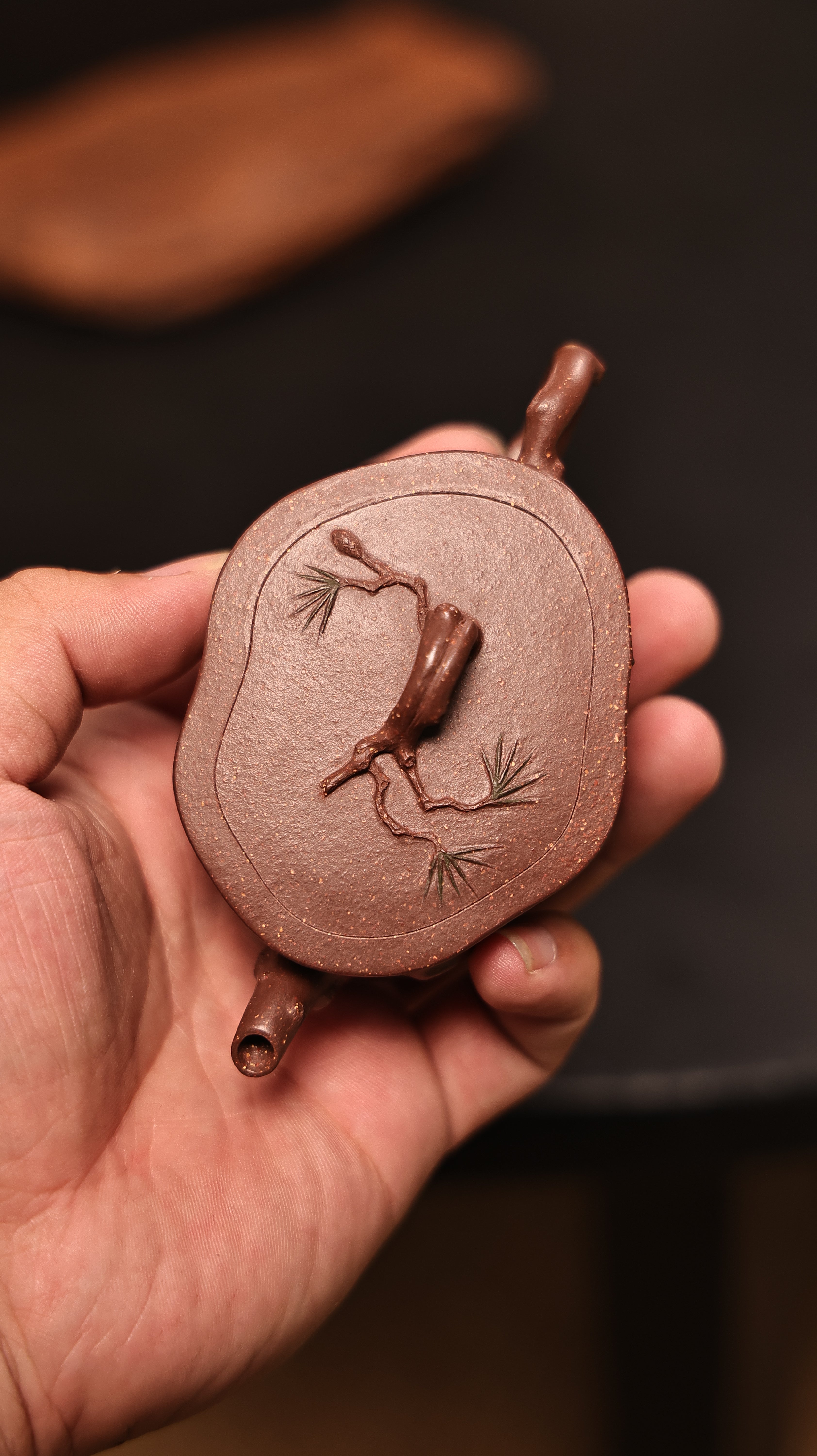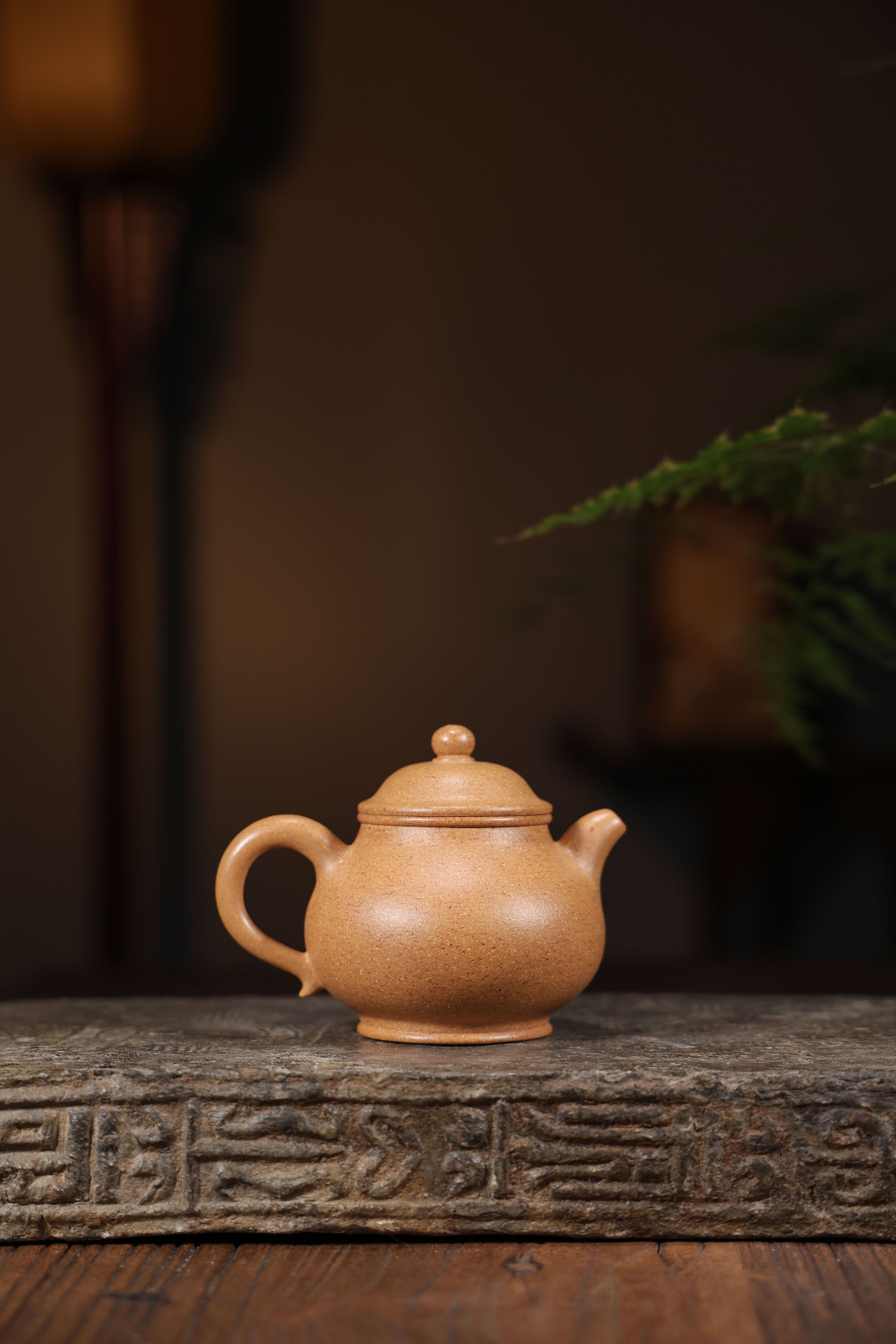
Everlasting tradition expresses Yixing pottery alongside timespans,
Reflecting peculiar attributes gathered across domestic purple soils, these vessels evolve a finish through utilization, refining bouquet released from extracted drinks.
Exploring Yixing Dirt: Extensive Insights into Zisha
Multiple devotees value the incomparable consistency of Yixing indigo clay, a bedrock of classic Chinese ceramics. Originating from the Yixing region of Jiangsu province, this rare clay demonstrates an delicate mineral configuration, so that offers remarkable qualities to the completed teapots. Styles within Zisha, including Ni Mud, Duan Ni Mud, and Jiang Xi Mud, each demonstrates specific tints, feels, and baking traits, affecting the openness and the concluding note enhancement of the brew.
Chinese Carafe Usages: Discovering Skill
Chinese teapots embody surpassing mere pots for brew; they represent centuries of customary artistry. From the renowned Yixing clay variations, respected for their spongy nature which bestows exclusive notes to the extract, to the subtle porcelain from Jingdezhen, each piece narrates a record of commitment. The making process is an elaborate undertaking, often transferred through clans of artisans. These makers use classic techniques such as hand-building, carving on wheels, and decorating, demonstrating profound reverence for the component and the practice itself. Imagine the effort invested in each piece as a symbol of Chinese tradition legacy.
- Chinese teapots: a distinguished selection.
- Refined china teapots: acclaimed as their fragile design.
- Modeling techniques: a demanding yet fulfilling procedure.
Yixing Zisha Container Upkeep: Sustaining Your Treasure
Adequate upkeep of your precious Yixing Zisha pot is vital to preserving its value. Crafted from distinct purple sand mud, these outstanding teapots build a rich patina after use, meaningfully boosting their allure. Shun agents; a light rinse with moderate temperature fluid is sufficient. Steer clear of heated water for scrubbing the teapot, as it may crack its structure. Allow it to lose wetness away from powerful radiance. Consider curing your teapot regularly using fine tea, especially aged varieties. Here is a brief checklist:
- Wash off with pleasantly warm hydrous substance.
- Refrain from solvents.
- Enable it to dry naturally.
- Familiarize with premium tea.
Lineage of Yixing Teapots: Initial Phases
The account of Yixing teapots emerges plainly during the Zhao dynasty, about the 16th time. Initially, these containers were not the coveted collectibles they are valued presently. They were fabricated by regional potters using the unparalleled purple clay discovered solely in the Yixing vicinity. These early items were essentially utilitarian, designed for commonplace performance and often basic in form. It was not until the successive dynasty that they began to earn fame beyond mere utilitarian pieces.
Selecting the Proper Jiangsu Jar: A Fundamental Guide
Exploring the domain of Yixing teapots can be challenging, but resist worry! For apprentices, the central factor is understanding the clay. Genuine Yixing clay is prized for its permeability, allowing the teapot to retain the tea's aroma over time, elevating every preparing session. Evaluate the contour; traditional circular shapes prevail, yet distinct preferences hold sway. Lastly, assess the glaze—while some favor an unfired appearance, others favor a gentle gloss. Take your time in the choice process—this is an investment in a appreciated piece of fabrication.
Traditional Clay Jars and Their Role on Chinese Infusion Tradition
Zisha teapots, born from Yixing, China, have profoundly changed established Chinese beverage culture. The Yixing clay teapots, prized for their particular tone, grain, and exceptional ability to impart a subtle flavor to the liquid, act as more than mere containers; they are held dear crafts and symbols of renown. The very observance of preparing and serving brew using a Zisha teapot is steeped in tradition, elevating the experience beyond simple refreshment. Sagas of artisans have developed their techniques, passed down through lineages, resulting in highly desired pieces. Accordingly, Zisha teapots are frequently treasured, playing a crucial part in cultivating Oriental appreciation for aesthetics and the process of elixir ceremonies.
- Characteristic Clay Composition
- Conveying Subtle Flavor
- Beautiful Craftsmanship
Recognizing Certified Rare Traditional Pieces
Buying a verified Yixing teapot can be a rewarding experience, but the sector is often saturated with counterfeits. Dividing between a authentic antique and a up-to-date reproduction requires exacting inspection. Key signs include the clay's mahogany shade, often displaying striped patterns, and the deficiency of modern kiln imprints. The contour should indicate natural fineness, reflecting the traditional Yixing style. Finally, investigating the Chinese Teapot manufacturer's mark is important to verify truthfulness against certified testimonies.
- Assess the clay's texture.
- Look for blemishes, indicative of manual quality.
- Request an appraiser for endorsement.
Buying Eastern Pottery: A Complete Reference to Clay Ware Interpretation
The field of Zisha Zisha earthenware grants a special possibility for savvy buyers. Continuously, the price of these traditional artifacts is driven by various attributes, such as the rank of clay substance, the craftsmanship of the maker, the cultural consequence, and, naturally, the modern supply. Novices should focus on comprehending the distinct kinds of Zisha clay—such as 冰河, 杜宁, and Blush Clay—and investigating the traits linked to each. Careful scrutiny of the container's shape, cast, and mark is correspondingly necessary to make informed judgments when investing.