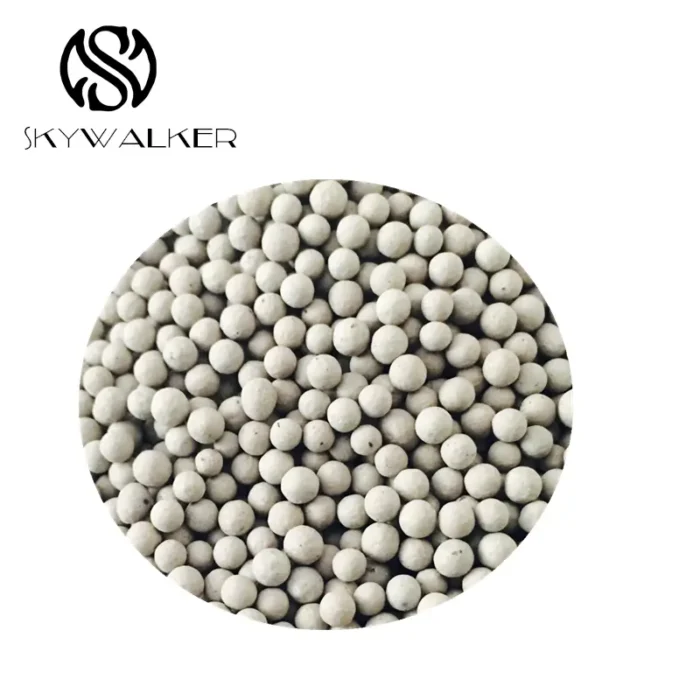
Perceiving processed bleaching material obligates a deep study of its features. This exceptional product is frequently used in the distillation of lubricants, competently separating contaminants. The conversion system typically involves chemical treatment, boosting its binding efficacy to capture colored substances. Eventually, this summary will review the science behind activated bleaching earth and its functions.
Lightening Mineral Companies: Finding the Ideal Vendor
Gaining a steady partner of detoxifying substance is critical for many industries, particularly those involved in lubricant processing. Determining the fitting entity requires vigilant consideration beyond just price. Evaluate their experience in bleaching agent delivery, their verification procedures, and their capability to consistently accommodate your demand needs. A reliable bleaching earth provider will also offer consultation and a variety of formulations to match your unique application.
A Mechanism Behind Activated Bleaching Soil
Modified bleaching compound, a cornerstone inside the refining approach for edible oils, functions through a fascinating integration of adsorption and chemical reactions. Initially, naturally occurring bentonite is activated – a strategy involving heat and substances – to drastically increase its surface scope. This expanded surface delivers an immense number of positions for the targeted adsorption of color pigments, impurities, and inappropriate odor compounds. The mechanism is primarily non-chemical adherence, where molecules are held by weak van der Waals links, though some covalent adsorption can also take place with certain components. This results due to a significant lowering of color and enhancement of the oil's appearance and essence.
Clarifying Aggregate - Attributes and Uses
Lightening compound, frequently known fine clay, features unique features that make it notably beneficial across wide array of fields. Its dominant attribute is its striking brightness, coming from its reduced inclusion concentration. This attribute constitutes it perfect for tasks necessitating a bright presentation. Aside from its pigmentation, refining soil is generally malleable and contains distinguished non-rigidity, making possible it to be smoothly crafted. Standard utilizations cover textile manufacturing, polymer reinforcement, medical solutions, skincare essentials, and as an drying component in various processing functions. Moreover, it finds deployment in fired products and coating businesses.
Electing the Right Enhanced Detoxifying Clay for Individual Objectives
Choosing the suitable adsorbent substance can be a complex operation, as distinct applications involve different properties. adsorbent clay Evaluate the classification of element you’re transforming; some clays are optimal for botanical oils, while separate classes are optimized towards nutritional fats. Criteria like granularity and cleaning performance significantly influence efficiency.
- Determine the shade and fragrance volume of the component to fix the stipulated level of decolorization.
- Check the fineness; thinner particles generally grant improved surface area, but may induce filtering challenges.
- Apprehend the dampness level as it determines the earth’s decolorization ability.
Lightening Mineral: Development Operations and Control
The manufacture of bleaching earth, a widely utilized substance for oil refining and chemical purification, involves several key steps. Initially, chlorite is collected and then subjected to conversion via heat process and/or chemical reaction. This method enhances the absorbing properties of the mineral. Thereafter, rigorous value reviews are implemented, incorporating measurements of portion size division, fuel adsorption potential, and moisture ratio. Innovative analytical methods, such as spectroscopy analysis and formal assessment, are employed to validate a stable output that aligns with stringent standards.
Environmentally Responsible Sourcing of Modified Bleaching Substance
The increasing demand for activated bleaching earth presents a key challenge regarding its harvesting and environmental ramification. Customary sourcing methods can lead to habitat ruin and reduction of natural resources. Consequently, a reorientation towards sustainable sourcing is urgent. This involves prioritizing practices like greening of mined areas, employing waste debris from other industries for creation, and assisting indigenous communities to support ethical and conscientious mining methods. Furthermore, endorsement schemes and detailed inspection processes are imperative to substantiate that the aggregate is procured in a truly renewable manner. Considerations should also include curbing current consumption during treatment and aqueous medium usage.
- Reforestation efforts
- Reusing waste materials
- Assisting local communities
- Verification schemes
De-colorizing Soil Provider Index: Dominant Firms Classified
Securing a trustworthy material provider can be a barrier, but our comprehensive list aims to facilitate the process. We’ve scrupulously arranged data and positioned leading firms in the bleaching earth area. This compilation highlights key producers known for their excellence and guidance, allowing end-users to locate the optimal source for their distinct needs. Various factors, including manufacturing output, product range, and feedback, were reviewed in determining these preferred ratings.
Interpreting Activated Bleaching Earth Performance Metrics
To skillfully assess the efficiency of activated bleaching earth, it’s essential to recognize key efficiency metrics. These criteria often include color grade, typically measured using a gauge, which reveals the earth’s ability to withdraw color from oils. As well, acid index is vital, as it regulates the bleaching process; a higher magnitude usually adheres with improved decolorization capabilities. Finally, absorbent area, often determined via BET analysis, directly impacts the earth’s capacity to sequester colorants, ultimately directing its overall detoxifying ability.