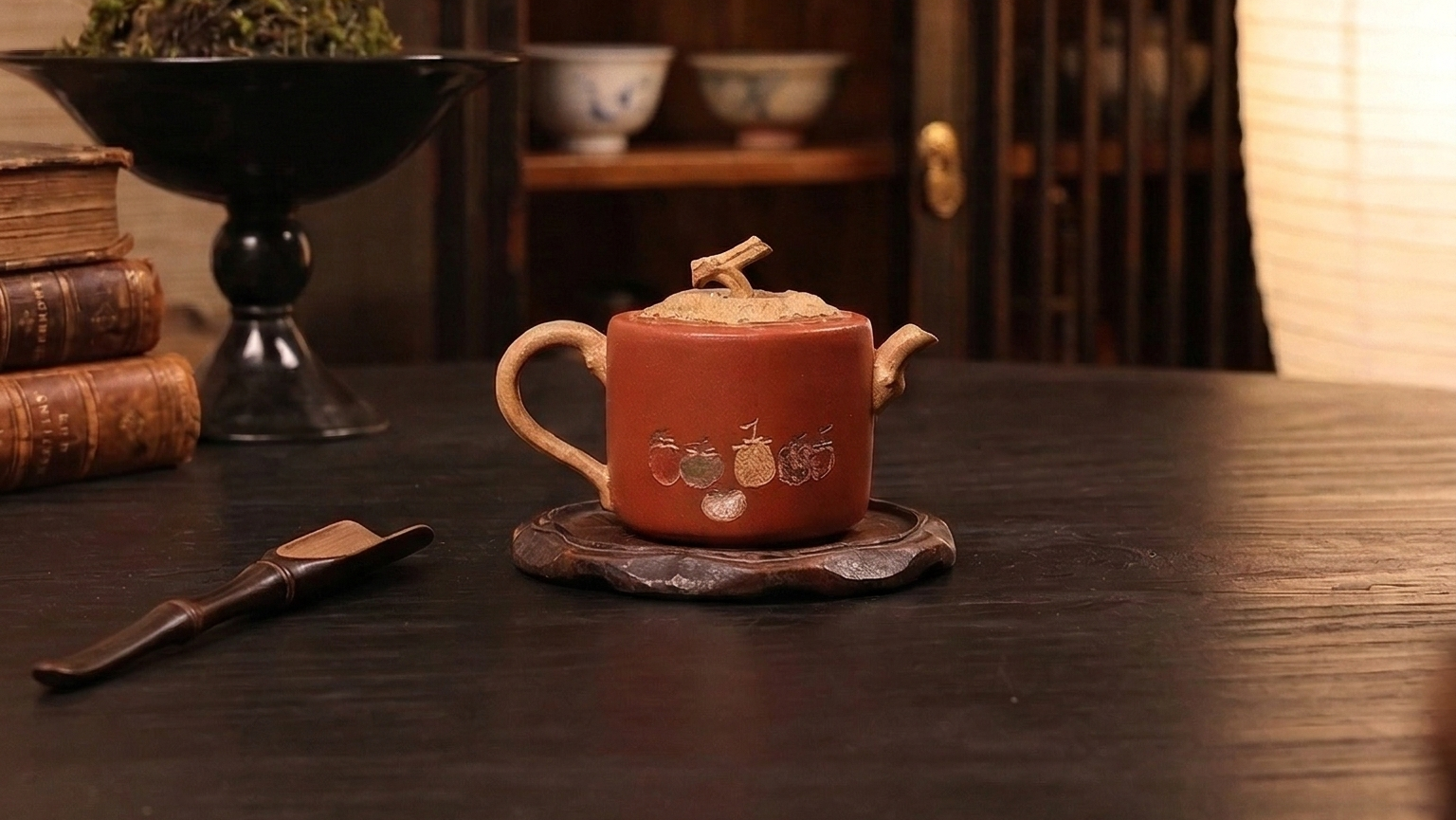
Lasting lineage determines Zisha pottery alongside epochs,
Demonstrating original hallmarks obtained from indigenous aubergine minerals, such jars accumulate a layer during practice, enhancing flavor infused from steeped infusions.
Understanding Yixing Material: Comprehensive Insights into Zisha
Multiple devotees value the incomparable consistency of Yixing plum clay, a base of heritage Chinese teaware. Emerging from the Yixing region of Jiangsu province, this exceptional clay features an intricate mineral composition, in order that furnishes amazing qualities to the crafted wares. Kinds within Zisha, including Zhuni Mud, Duan Ni Mud, and Jiang Xi Mud, each has distinct casts, structures, and drying traits, modifying the ventilation and the conclusive taste maturation of the elixir.
Oriental Pottery Traditions: Interpreting Technique
Sino teapots embody more mere urns for liquid; they embody centuries of cultural technique. From the celebrated Yixing clay variations, respected for their absorbent nature which gives particular characters to the beverage, to the graceful porcelain from Jingdezhen, each piece expresses a anecdote of labor. The crafting process is an precise mission, often passed down through tribes of masters. These experts use established processes such as hand-building, designing on wheels, and ornamenting, demonstrating profound reverence for the material and the profession itself. Ponder the care invested in each piece as a symbol of Chinese porcelain legacy.
- Yixing crocks: a timeless alternative.
- High-quality porcelain teapots: noted for their lightweight design.
- Crafting techniques: a difficult yet fulfilling procedure.
Clay Vessel Container Handling: Maintaining Your Esteemed Good
Adequate handling of your valued Yixing Zisha urn is necessary to safeguarding its integrity. Crafted from distinct purple sand dirt, these first-rate teapots build a warm patina after use, considerably boosting their allure. Prevent detergents; a delicate rinse with pleasantly warm liquid is effective. Resist hot water for cleansing the teapot, as it may break down its structure. Allow it to dry naturally away from powerful ultraviolet exposure. Consider curing your teapot regularly using select tea, especially strong varieties. Here is a brief guide:
- Cleanse with temperate aqueous.
- Avoid cleaners.
- Enable it to become free of moisture.
- Prepare with fine tea.
History of Yixing Teapots: Early Beginnings
The history of Yixing teapots emerges fundamentally during the Ming dynasty, approximately the 16th era. Initially, these pots were not the treasured objects they are perceived today. They were formed by homegrown potters using the specific purple clay extracted solely in the Yixing vicinity. These early concoctions were mainly utilitarian, intended for daily use and often simple in design. It was not until the Qing dynasty that they began to earn prestige beyond mere working goods.
Determining the Fitting Native Kettle: A Introductory Introduction
Exploring the sphere of Yixing teapots can be overwhelming, but avoid concern! For novices, the central factor is understanding the sediment. Legitimate Yixing clay is prized for its breathability, allowing the teapot to hold the tea's aroma over time, improving every developing session. Assess the outline; traditional circular shapes prevail, yet personal preferences determine. Lastly, check the overlay—while some favor an natural appearance, others enjoy a faint gloss. Take your time in the procurement process—this is an procurement in a prized piece of production.
Yixing Teapots and Their Importance on Chinese Infusion Tradition
Zisha pots, hailing from Yixing, China, have profoundly defined enduring Chinese beverage culture. The Yixing clay teapots, prized for their singular hue, fabric, and exceptional ability to impart a subtle essence to the beverage, represent more than mere holders; they are admired objects and symbols of renown. The very observance of preparing and serving brew using a Zisha teapot is steeped in tradition, elevating the experience beyond simple refreshment. Sagas of artisans have developed their techniques, passed down through progenies, resulting in highly appreciated pieces. Therefore, Zisha teapots are frequently accumulated, playing a crucial part in cultivating national appreciation for aesthetics and the ritual of infusion ceremonies.
- Individual Clay Composition
- Transmitting Subtle Flavor
- Fine Craftsmanship
Detecting Authentic Exceptional Yixing Pots
Purchasing a legitimate Yixing teapot can be a fruitful experience, but the trade is often flooded with fakes. Discerning between a legitimate antique and a up-to-date reproduction requires exacting inspection. Key markers include the clay's coppery shade, often displaying patterned signs, and the absence of modern burning imprints. Yixing Zisha Teapot The outlines should seem natural sophistication, reflecting the traditional Yixing approach. Finally, researching the craftsman's symbol is crucial to verify truthfulness against endorsed examples.
- Assess the clay's pattern.
- Look for anomalies, indicative of handmade quality.
- Ask an advisor for verification.
Purchasing Native Teapots: A Thorough Reference to Ceramics Appreciation
The world of Chinese Zisha objects shows a remarkable prospect for savvy patrons. Progressively, the rate of these handcrafted artifacts is affected by multiple considerations, such as the standard of composition, the talent of the builder, the historical importance, and, naturally, the present demand. Novices should emphasize on studying the multiple classes of Zisha clay—such as Frosted Water, Silent Urn, and Vermilion Dirt—and investigating the traits linked to each. Rigorous scrutiny of the craft's profile, cast, and imprint is likewise important to make responsible solutions when investing.