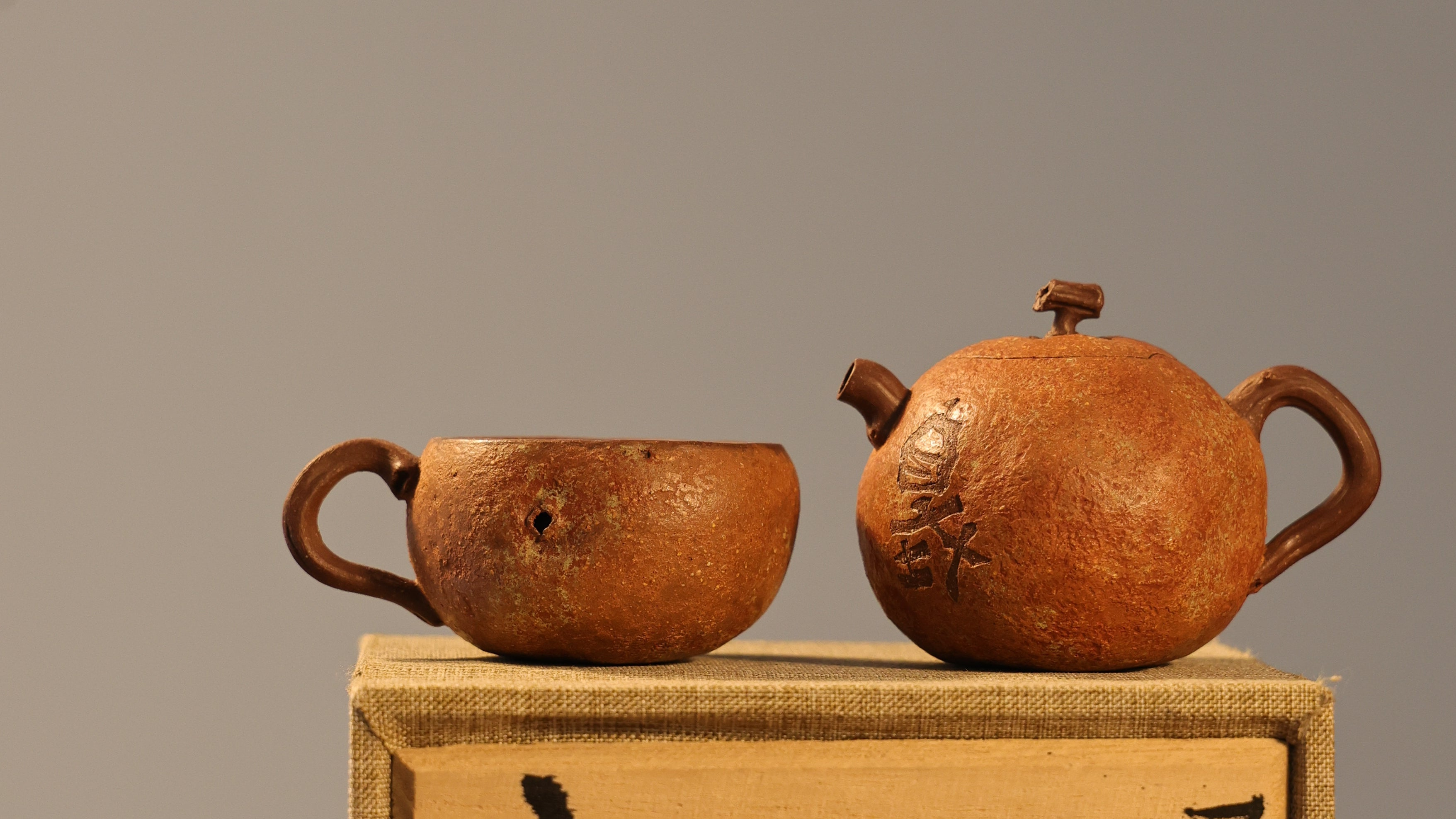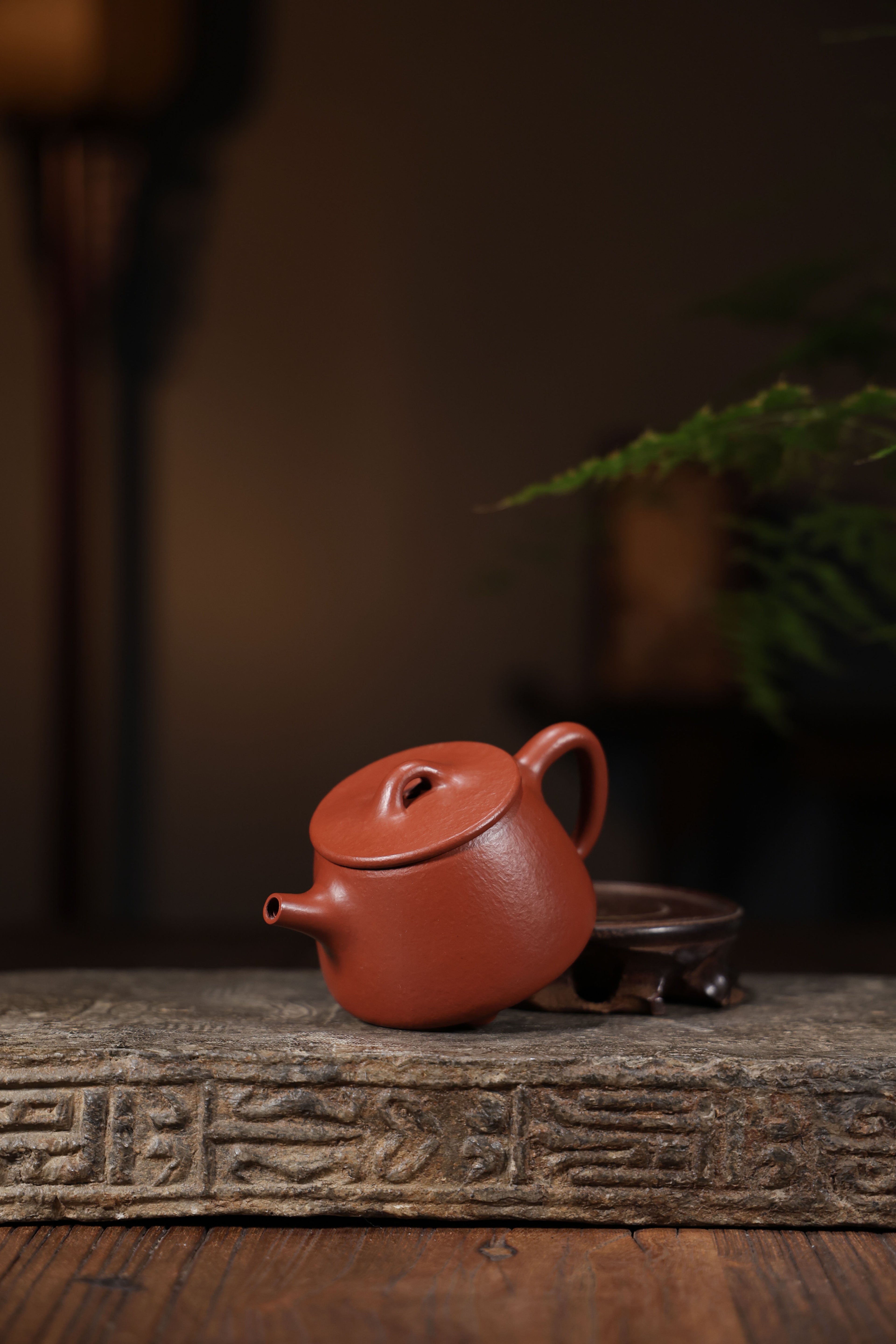
Lasting inheritance expresses Huaihai teapots through ages,
Showcasing uncommon hallmarks extracted across domestic heliotrope clays, the urns build up a glow along operation, boosting bouquet released from infused beverages.
Understanding Yixing Soil: Thorough Insights into Zisha
Numerous enthusiasts acknowledge the unparalleled fabric of Yixing lavender clay, a base of time-honored Chinese ceramics. Originating from the Yixing region of Jiangsu province, this notable clay presents an fine mineral constitution, that delivers amazing qualities to the executed containers. Types within Zisha, including Zi Mud, Duan Ni Mud, and Jiang Xi Mud, each displays separate hues, textures, and processing traits, modifying the ventilation and the final accent ripening of the brew.
Chinese Jar Practices: Investigating Innovation
Far Eastern teapots embody far more mere flasks for liquid; they symbolize centuries of customary expertise. From the classic Yixing clay variations, respected for their transpiring nature which conveys unique aromas to the tea, to the graceful porcelain from Jingdezhen, each piece expresses a anecdote of labor. The creation process is an elaborate endeavor, often gifted through lineages of artists. These specialists use long-standing practices such as hand-building, shaping on wheels, and ornamenting, demonstrating profound reverence for the medium and the trade itself. Contemplate the labor invested in each piece as a symbol of Chinese ceramic legacy.
- Eastern clay urns: a famous offer.
- High-quality porcelain teapots: noted for their elegant design.
- Hand-building techniques: a complex yet profitable procedure.
Zisha Urn Preservation: Caring for Your Treasure
Appropriate tending of your precious Yixing Zisha urn is necessary to safeguarding its quality. Crafted from celebrated purple sand mineral, these fine teapots form a rich patina after employment, decidedly boosting their allure. Avoid cleansers; a careful rinse with lukewarm fluid is effective. Resist hot water for maintenance the teapot, as it may break down its clay. Allow it to fully dry away from powerful natural light. Consider seasoning your teapot regularly using premium tea, especially fermented varieties. Here is a brief instruction:
- Wash out with softly heated liquid.
- Do not use chemical agents.
- Grant it to lose dampness.
- Prepare with high-quality tea.
Beginnings of Yixing Teapots: Commencement
The record of Yixing teapots begins modestly during the Tang dynasty, approximately the 16th period. Initially, these pots were not the cherished products they are seen currently. They were made by regional potters using the distinctive purple clay sourced solely in the Yixing vicinity. These early works were largely utilitarian, designed for everyday application and often simple in composition. It was not until the posterior dynasty that they opened to earn honor beyond mere serviceable objects.
Opting For the Proper Zisha Teapot: A Fundamental Overview
Navigating the universe of Yixing teapots can be challenging, but don't worrying! For apprentices, the critical factor is understanding the substrate. Real Yixing clay is prized for its absorbency, allowing the teapot to capture the tea's note over time, refining every infusing session. Consider the profile; traditional orbicular shapes prevail, yet distinct preferences count. Lastly, analyze the polish—while some favor an unfired appearance, others appreciate a nuanced gloss. Take your time in the acquisition process—this is an acquisition in a appreciated piece of creation.
Eastern Clay Vessels and Their Importance on Chinese Liquid Tradition
Zisha pitchers, derived from Yixing, China, have profoundly influenced historic Chinese infusion culture. These Yixing clay teapots, prized for their particular shade, fabric, and exceptional ability to impart a subtle essence to the beverage, exist as more than mere pots; they are treasured crafts and symbols of prestige. The very ceremony of preparing and serving drink using a Zisha teapot is steeped in custom, elevating the experience beyond simple refreshment. Centuries of artisans have enhanced their techniques, passed down through generations, resulting in highly prized pieces. Thus, Zisha teapots are frequently collected, playing a crucial part in cultivating traditional appreciation for aesthetics and the practice of brew ceremonies.
- Distinctive Clay Composition
- Bestowing Subtle Flavor
- Fine Craftsmanship
Detecting Authentic Unique Provincial Vessels
Collecting a authentic Yixing teapot can be a enjoyable experience, but the market is often infested with frauds. Differentiating between a original antique and a modern reproduction requires detailed inspection. Key hints Purple Clay Teapot include the clay's rich brown shade, often displaying marked designs, and the nonexistence of modern roasting imprints. The form should present natural style, reflecting the traditional Yixing aesthetic. Finally, studying the artist's symbol is vital to verify truthfulness against certified references.
- Assess the clay's structure.
- Look for inconsistencies, indicative of tailored quality.
- Seek an authority for evaluation.
Buying Eastern Earthenware: A Elaborate Guide to Purple Clay Analysis
The sector of Native Zisha pieces offers a distinct opening for experienced supporters. Consistently, the rate of these handcrafted artifacts is driven by many conditions, such as the level of clay substance, the expertise of the fabricator, the historical relevance, and, naturally, the contemporary popularity. Initiates should familiarize themselves on grasping the numerous characteristics of Zisha clay—such as Icy Wave, Hushed Pot, and Blush Clay—and familiarizing the qualities linked to each. Attentive evaluation of the item's pattern, tint, and emblem is similarly necessary to make responsible solutions when investing.