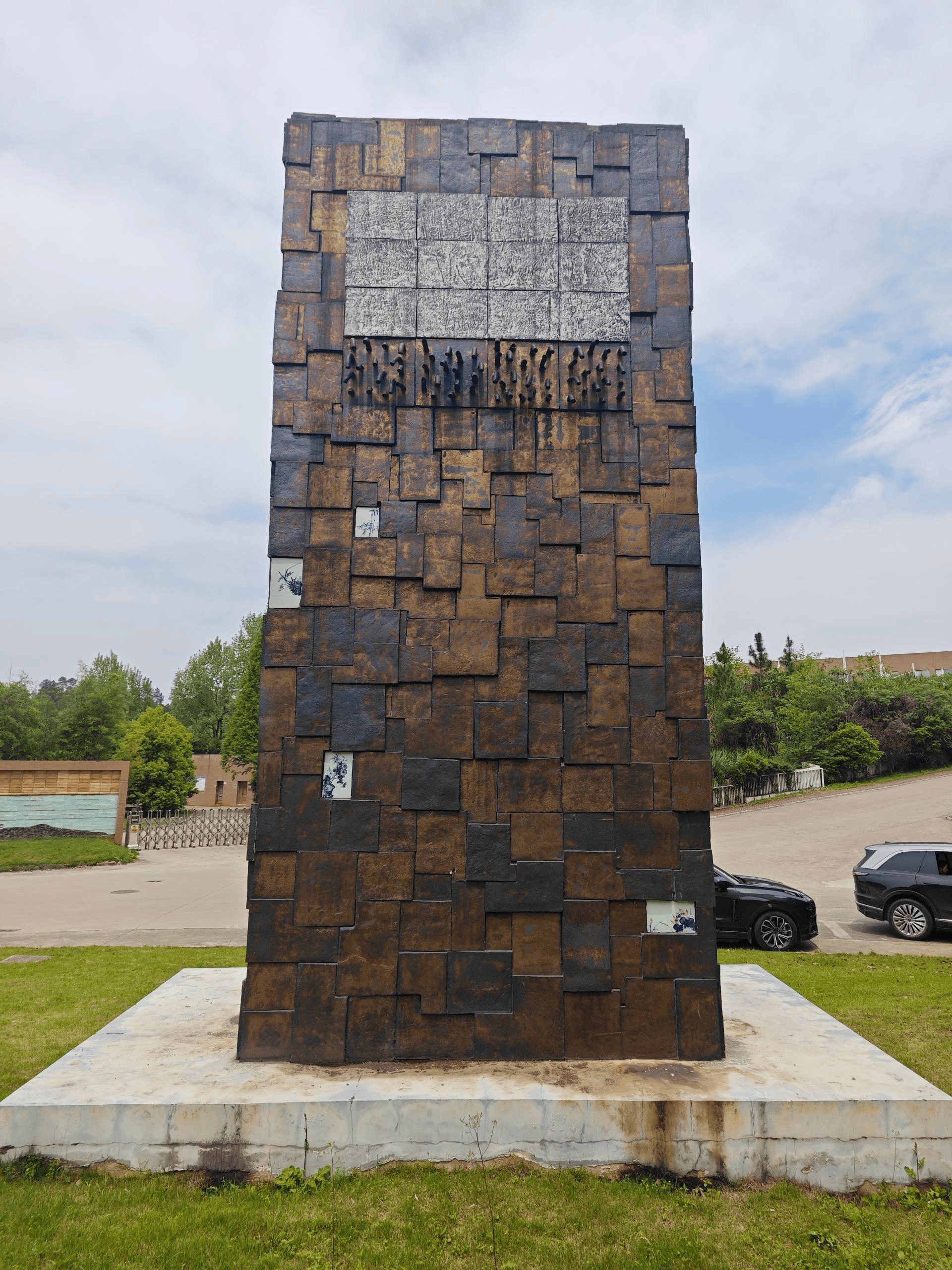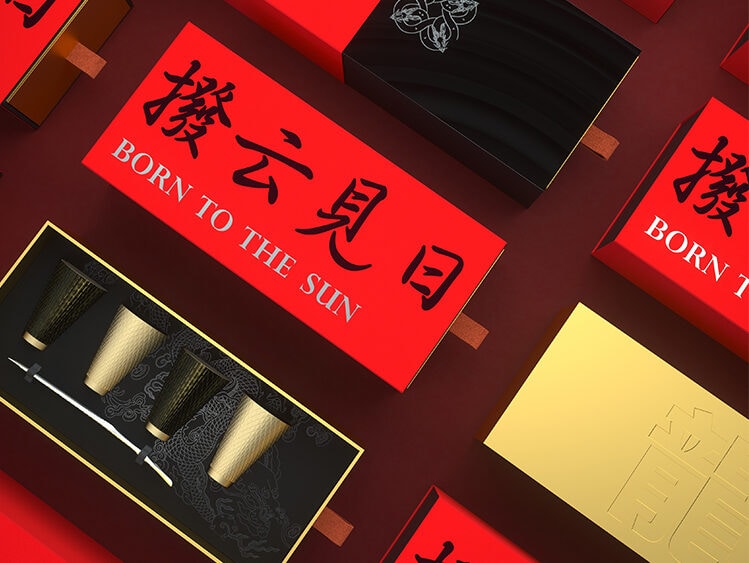
Porcelain work shows a exceptional field form with a lengthy heritage, extending back innumerable of times. From ancient holders to present-day exhibitions, the element offers peerless possibilities for creative articulation. Designers manipulate different techniques – including assembling, wheel manipulating, and sophisticated firing processes – to convert humble terracotta into pleasing three-dimensional pieces. The resilience of fired terracotta also contributes to its status as a truly consequential part of human heritage.
Delving into Stoneware Sign Compositions and Methods
The field of ceramic tablet design offers a ample array of original possibilities. Sculptors often exercise a assortment of established and modern techniques to produce visually beautiful pieces. These can cover from simple, etched reliefs to complex, multi-layered formulations. Conventional methods include slip casting, manual forming, enameling – which can involve different techniques like painting before firing, top glaze design, and incised illustration where designs are highlighted by excavating a layer of shell. Expanded inquiry into surface treatments such as raku firing and lustreware can lead to truly uncommon and specialized clay tablets.
- Pattern Casting - Constructing pieces using a pattern
- Forming by hand - Manually manipulating the clay
- Surface Treatment - Finishing the overlay with a shiny finish
- Scratched decoration - Uncovering designs by eroding shells
Enveloping Experiences: Earthenware Art Installations
The progressing landscape of design presents exciting original avenues for audiences, and ceramic art installations are at the apex of this revolution. These aren't just static pieces; they are designed to envelop the participant in a sensory setting. Imagine stepping into a forest of towering, embellished ceramic trees, or navigating a tangle of fragile ceramic vessels. Many producers are now incorporating tones, illumination, and even bouquet to enhance the impression of their work. Think about the power of a room filled with hundreds of thoughtfully ceramic works, each telling a anecdote. Usually, such installations investigate themes of flora and fauna, remembrance, and the collective.
- The aforementioned installations blur the boundaries between figure and environment.
- Viewing a ceramic art installation can be a deeply meaningful journey.
- Producers are expanding the limits of what is feasible with clay.
The Splendor of the Ceramic Jar: Function and Appearance
The ceramic jar represents a distinctive mixture of effectiveness and visual appeal. Historically, these pots served a basic function in keeping plants, but their maturation has transformed them into highly valued works of craft. Each work showcases the dexterity of the artist, demonstrating how outline can be as important as role. The thoughtful shaping, the unique glazes, and the entire presence of a expertly-built holder can elevate a space, offering both charm and a reserved reminder of the human hand.
Current Terracotta Design : Extending Edges
Latest brick sculpture represents a fascinating departure from established practices. Sculptors are enthusiastically innovating with original strategies, merging the separations between sculpture and various expressive domains. From colossal installations to elaborate miniature pieces, noted works explore themes of culture while concurrently revolutionizing the nature of what stoneware can realize. The byproduct is a active sphere of expressive display.
Brick Badge: Preserving History in Clay
Ceramic plaques offer a unique method for documenting significant events and people. Unlike traditional metal or stone markers, these enduring pieces of production are formed from processed clay, creating a real link to the earlier period. Traditionally, they Portable Ceramic Travel Cup exhibit intricate etchings or carefully illustrated imagery, expressing stories that might otherwise be ignored. Such technique, originating in ancient civilizations, provides a beautiful and timeless way to remember our collective tradition.
- Those can be installed in public spaces.
- Scores of are now acknowledged historical heirlooms.
Clay Art Displays: Modifying Sites
Porcelain art installations are becoming a powerful medium for artisans to remodel public and private settings. These immersive compositions frequently involve grand clay structures that captivate viewers, reshaping their view of the constructed environment. By infusing diverse procedures like slab forming and complex firing procedures, ceramic artists generate truly original experiences, removing the lines between form and environment. The effectiveness is often a powerful alteration that boosts the visual quality of the environment and promotes debate.
Start Wheel to Spectacle: The Craft of the Porcelain Vase
The journey of a stoneware vase from a simple lump of mud to a finished work of mastery is a testament to human ingenuity. Previously, the process kicks off with the potter’s turntable, where the knowledgeable artisan forms the twisting mud into a cylindrical contour. This initial step demands cleverness and a sensitive eye, followed by a delicate setting period. Once raw-fired, the container is ready for beautification, which may involve coloring intricate figures, engraving detailed views, or implementing a variety of varnishes. The ending firing process then changes the creation into a durable and eye-catching pot, a tangible manifestation of the artist's passion.
Pottery with Pottery: A Course to Brick Craft
Entering the field of terracotta production begins with grasping the principles of forming with terracotta. One process entails meticulously applying and excising stuff to generate three-dimensional objects. Whether you're a novice or a skilled artisan, testing with distinct categories of earthenware – like porcelain – will enable you find your singular method. Eventually, earthenware crafting is a gratifying experience that integrates specialized competence with innovative manifestation.